Skip to content

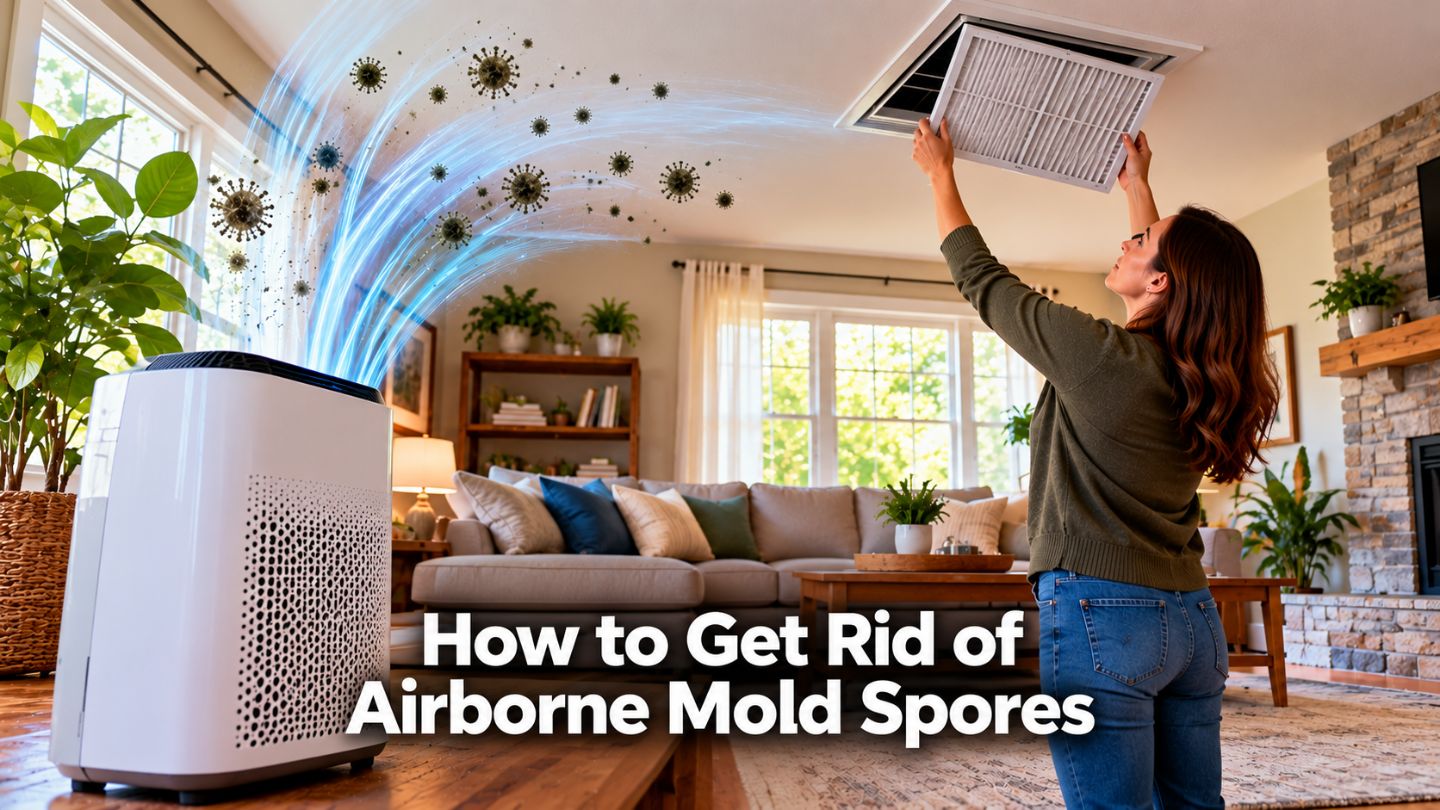
If you’ve been dealing with musty odors drifting through your hallways, a persistent runny nose that won’t quit, or a sense that the dust in your Georgia home never truly settles, airborne mold spores may be the hidden culprit. Learning how to get rid of airborne mold spores in your home starts with understanding a simple truth: you cannot solve the problem by masking smells or wiping down a single wall. The spores in the air are symptoms of something deeper-active mold growth fed by moisture that hasn’t been addressed.
This blog walks through what airborne mold spores are doing inside your living space, why Georgia homes are especially vulnerable, how trained remediation specialists physically remove mold and clean the air, and what you can do after the work is done to keep spore levels low. Safe mold removal and air cleaning are tasks for professionals, not weekend projects. If you own a single-family home or townhome and you’re dealing with recurring moisture issues or crawlspace concerns, the guidance here is written with your situation in mind.
Key Takeaways
Here are the most important points covered in this article:
- You cannot eliminate every single mold spore from indoor air because they exist naturally outdoors, but professional remediation can bring levels back to normal, safer ranges.
- Getting rid of airborne mold spores always begins with removing active mold colonies and fixing the moisture sources feeding them.
- Professional containment, HEPA filtration, and thorough material removal are far more effective than surface cleaning or fragrance products.
- Crawlspaces, attics, and hidden wall cavities are frequent sources of mold spores indoors, especially in humid Georgia climates.
- Certified mold specialists can inspect your entire home-including areas you can’t easily reach-and guide you toward lasting solutions.
What Airborne Mold Spores Are Doing Inside Your Home
Mold spores are microscopic particles produced by fungi. They are so small that they are invisible to the naked eye, floating through indoor air until they mold-spores land on a surface with enough moisture and organic material to support new growth. Every home has some level of spores in the air, but problems begin when active indoor mold growth continuously releases high concentrations of spores into your living space.
Common sources of mold that push spores into the air include damp drywall, wet carpet and carpet padding, crawlspace floor joists, and bathroom ceilings with poor ventilation. Even air conditioning drip pans can collect standing water and become breeding grounds for mold colonies if not properly maintained.
What many homeowners don’t realize is how easily everyday activities disturb settled spores. Walking across a damp carpet, turning on your air conditioning units, or simply opening a closet door where mold has been quietly growing-all of these actions blow air across moldy surfaces and send small particles airborne again. Mold spores can remain airborne indefinitely in dry conditions, circulating through your home for extended periods.
The connection between airborne spores and how you feel is direct. Lingering musty smells that return no matter how often you clean, dust that never seems to settle, and irritation of the eyes, nose, and throat are all common signs. Mold exposure can cause allergic reactions in sensitive individuals, and symptoms include sneezing, runny nose, and skin rash. For people with asthma, high mold spore levels can trigger respiratory episodes and create ongoing health problems.
How Moisture in Georgia Homes Feeds Airborne Spores
Georgia’s humid subtropical climate creates conditions where moisture control is a constant challenge. Long summers with frequent rainfall push high humidity into homes through crawlspaces, foundation vents, and any gap where outdoor air meets cooler indoor surfaces. When warm, humid air encounters cooler structural materials-like floor joists or ductwork-condensation forms and creates the damp conditions mold needs to thrive.
Typical moisture sources that feed mold growth and release airborne spores include plumbing leaks under sinks and within walls, roof seepage after storms, damp crawlspaces sitting over bare soil, and bathrooms without adequate exhaust fans. Many Georgia homes built decades ago lack proper vapor barriers beneath the crawlspace, allowing ground moisture to rise directly into the structure. The red clay soil common in many neighborhoods drains slowly and holds water near foundations, compounding the moisture problem.
The spores themselves are not the first issue to solve. Untreated moisture and hidden mold growth are what keep sending spores into the air. Mold needs moisture to grow indoors, and removing the source of moisture is crucial for effective mold remediation. Once moisture and active mold exist together in a crawlspace or wall cavity, professional remediation is the path to stopping spores from continually re-entering your living space.
How Professionals Get Rid of Airborne Mold Spores in Your Home

The most effective way to remove mold spores from your indoor environment is through a structured professional process that addresses every layer of the problem. These methods are performed by trained mold remediation technicians-not homeowners-and follow recognized industry standards. There are several reasons to never attempt DIY mold removal, including the risk of spreading airborne spores, overlooking hidden growth, and failing to resolve the underlying moisture problem. Mold cleanup should start by fixing moisture problems, then move through containment, removal, filtration, and drying.
The goal is to physically remove mold and capture airborne spores, not just cover smells or spray a chlorine bleach solution over visible stains.
Step 1: Professional Mold and Moisture Inspection
A technician begins with a thorough visual inspection of living spaces, attics, and crawlspaces, looking for water stains on ceilings, darkened baseboards, visible mold growth on surfaces, and condensation patterns around windows. Tools like moisture meters and hygrometers allow the specialist to detect damp walls, subfloors, and framing that may not show obvious signs.
Inspectors look for telltale patterns: heavy mold on floor joists above a damp crawlspace, discoloration around air conditioning units, or moisture trapped behind cabinetry. The focus is on identifying where airborne spores originate and what moisture source is sustaining the mold problem. When air sampling would add useful detail, Pure Home sends samples to Pro-Lab for laboratory analysis.
Step 2: Containment to Keep Spores From Spreading
Before any material is disturbed, the affected area is sealed off using plastic sheeting, zipper doors, and controlled entry points. This containment barrier prevents spores from migrating into bedrooms, hallways, and clean zones during the remediation process.
Negative air pressure machines pull air from the work zone and exhaust it through filters to the outside, creating a pressure difference that keeps spore-laden air flowing inward rather than outward.
Step 3: Removal of Mold‑Damaged Materials
Technicians carefully remove porous materials that are heavily colonized-sections of drywall, ceiling tiles, insulation, and carpet that cannot be salvaged. Moldy items like soaked carpet padding are removed and discarded, since dead mold can still cause allergic reactions even after the colony is no longer active. Remove and discard carpets that cannot be dried properly rather than attempting to clean them in place.
Damaged materials are sealed in bags and carried out through a controlled path to avoid releasing spores into clean areas. Remaining structural surfaces such as framing, subfloors, and sheathing are cleaned, scrubbed, and prepared for treatment. Damp-wiping hard surfaces helps prevent spores from becoming airborne again during this phase. Visible mold on hard surfaces should be cleaned with appropriate methods to avoid dispersing spores, and non-porous surfaces are treated so the structure is ready for repairs.
Step 4: HEPA Filtration and Air Scrubbing
HEPA air scrubbers continuously pull room air through high-efficiency particulate air filters that capture fine mold spores. HEPA filters trap 99.97% of particles as small as 0.3 microns, and since mold spores typically range from 2 to 100 microns in size, this filtration is extremely effective at reducing what’s floating in your indoor air.
These machines run throughout the remediation process and for a period afterward to significantly reduce airborne particle levels. A HEPA vacuum is used on floors, vents, window frames, and other surfaces to collect settled spores and dust. This combination of air scrubbing and detailed vacuuming is a key way professionals actually remove mold spores from the indoor environment, improving air quality in ways that surface cleaning alone cannot achieve.
Step 5: Drying and Correcting Moisture Problems
After visible mold is removed, technicians address the moisture sources so mold spores cannot immediately recolonize surfaces. Mold spores can reactivate within 24 to 48 hours after moisture exposure, which is why drying and moisture correction cannot be skipped.
Examples include improving drainage around the foundation, ensuring wet subfloors dry completely, sealing minor plumbing leaks, and improving ventilation in humid areas. In crawlspaces, professionals focus on drying soil and wood, repairing torn vapor barriers, and managing airflow rather than defaulting to full encapsulation in every case. Dehumidifiers are effective tools for controlling indoor humidity, and indoor humidity should be maintained between 30% and 50% to prevent mold growth going forward. Controlling moisture is what keeps airborne spore levels from climbing again after remediation is complete.
How Crawlspaces and Hidden Areas Affect Airborne Mold Spores

Many airborne mold problems in Georgia homes start below the living space. Damp crawlspaces are among the most frequent hidden sources of mold spores indoors, and because they sit out of sight beneath the floor, homeowners often have no idea the problem exists until symptoms become hard to ignore.
Mold growing on floor joists, support beams, and subflooring can push spores upward through gaps around plumbing penetrations, electrical runs, and ventilation holes in the floor system. Homeowners may see very little visible mold inside their living areas even while a crawlspace mold colony is continually seeding spores into the air above. Addressing these areas requires trained crews who are familiar with confined spaces and safety standards.
Professional Crawlspace Mold Treatment
Technicians inspect the crawlspace for standing water, wet soil, deteriorated insulation, and mold-covered wood members. If you suspect dark mold growth beneath your home, learning how dangerous black mold under your house can be can help you understand why a professional inspection and proper remediation are important. Remediation may include cleaning mold from structural wood, removing soaked insulation, and clearing debris that holds moisture against organic material.
A properly installed vapor barrier on the crawlspace floor plays a central role in reducing ground moisture. This approach addresses the root cause of crawlspace mold without necessarily requiring full encapsulation in every situation. Once the crawlspace is dry and clean, fewer spores migrate into the living space, which supports healthier indoor air and reduces ongoing mold exposure for everyone in the home.
Other Hidden Sources: Attics and Wall Cavities
Roof leaks can lead to attic mold that slowly releases spores, especially when air handlers or ductwork run through that space. Understanding how attic mold can damage your home can help homeowners recognize the risks of hidden mold growth and address moisture problems before they affect other parts of the house. Wall cavities with past water leaks can harbor mold that sends spores through electrical outlets, trim gaps, and baseboards-areas where you’d never think to look.
Working With a Mold Remediation Specialist in Georgia

When musty odors keep returning, when you suspect crawlspace moisture is feeding a mold problem, or when allergic reactions and health effects are affecting your household, it’s time to work with a trained specialist. Professional help ensures that the root causes-not just the symptoms-are addressed thoroughly.
What to Expect From an Initial Consultation
A free mold consultation typically starts with a conversation about your concerns, the visible signs you’ve noticed, and any history of water leaks or flooding. An on-site visit allows the specialist to assess affected rooms, inspect the crawlspace, and look for moisture patterns that point to active mold.
You’ll receive clear recommendations about the scope of work, priorities, and potential next steps. The focus is on practical solutions that fit your situation. How long the process takes depends on the extent of contamination and the areas involved, but a qualified team will walk you through every step before work begins.
How Professional Remediation Protects Your Home Long‑Term
Thorough remediation reduces airborne mold spores, protects structural components from decay, and prepares your home for future projects like bathroom updates or crawlspace improvements. Properly dried and cleaned crawlspaces, subfloors, and walls are far less likely to develop recurring mold after storms or plumbing issues.
Once the mold source is removed and moisture is under control, the next goal is keeping indoor air clean. Pure Home partners with ActivePure to provide solutions for airborne mold. ActivePure Technology works to reduce contaminants in the air and on surfaces instead of relying on passive filtration alone, which makes it a useful way to maintain air quality after remediation. It works alongside remediation, not in place of it.
There is real peace of mind in knowing that certified specialists have identified and addressed the root moisture problems-not just wiped down a surface. Mold remediation is a long-term investment in the environmental health and safety of your home, protecting both the people inside and the structure itself.
Take Control of Airborne Mold and Protect Your Home
Airborne mold spores can spread throughout your home, affecting indoor air quality and potentially triggering allergies or respiratory concerns. While air purifiers, ventilation, and humidity control can help reduce airborne spores, addressing the underlying mold source is essential. Professional mold remediation helps prevent recurring contamination and supports a healthier indoor environment.
Pure Home provides professional mold removal in Douglasville, GA, helping homeowners eliminate mold sources, reduce airborne spores, and improve indoor air quality. Our services include crawl space mold removal, water damage and repair, black mold removal, and emergency mold services to address moisture and contamination problems. Contact us today to schedule a professional mold inspection and restore a healthier living environment.
Frequently Asked Questions
Can all airborne mold spores be completely removed from my home?
Mold spores exist naturally in outdoor air, so the goal is not to achieve a spore-free environment. Professional remediation brings indoor spore levels back down to normal background ranges by eliminating active mold colonies and controlling moisture. Mold spores can remain airborne indefinitely, which is why addressing the source-not just the air-matters most.
How do I know if the mold in my crawlspace is affecting the air in my living areas?
Signs include strong musty odors near floor registers, persistent smells in first-floor rooms, or visible mold on floor joists when you peek into the crawlspace access. An inspection can confirm how much the crawlspace is influencing your indoor air quality and whether spores are migrating upward through gaps in the floor system.
Is it safe to stay in my home while professionals are removing airborne mold spores?
This depends on the extent of contamination, the location of the work area, and your household’s health needs. Remediation companies use containment and HEPA filtration to protect occupied areas, but in cases involving large affected areas or residents with respiratory sensitivities, temporary relocation may be recommended.
Will an air purifier by itself get rid of airborne mold spores?
Air purifiers with HEPA filters effectively reduce airborne mold spores, and some models with UV light can kill mold spores passing through the unit. However, an air purifier does not eliminate existing mold growth on surfaces or fix moisture sources. It should be viewed as a support to professional remediation, not a replacement for it. The ActivePure air purification solutions Pure Home provides follow the same principle: they help keep indoor air cleaner once the mold source has been removed.
When should I call a mold remediation specialist instead of trying to handle issues on my own?
Reach out when you notice widespread staining, strong musty odors, suspected crawlspace or attic mold, or recurring moisture issues that keep coming back. Specialists can evaluate your home, identify hidden sources, and recommend steps that prevent mold growth from returning.